Being your boss has its perks, but figuring out health insurance isn’t always one of them. If you're a freelancer, contractor, or running a solo business, finding the right health coverage can feel overwhelming. From understanding your options to saving money through tax benefits, there’s a lot more flexibility than most people realize.
The key is knowing where to look and what truly fits your needs and budget. So, what’s the smartest way to protect your health and your wallet when you’re calling the shots?

Choosing Your Path: Insurance Options For The Self-Employed
ACA Marketplace Plans
Purchasing health insurance through the Health Insurance Marketplace (via Healthcare.gov or your state marketplace) is a primary pathway for most self-employed individuals. It provides:
Income-based premium tax credits (100–400% FPL)
Enrollment during open enrollment (Nov–Jan), or through Special Enrollment after losing coverage
Tiered plans (Bronze, Silver, Gold) based on your medical needs
Perfect if you desire flexible, individualized coverage with financial assistance.
Private Insurers
Purchasing directly through insurers such as Blue Cross Blue Shield, Kaiser Permanente, or Cigna provides:
More plan variation (PPOs, EPOs, etc.)
Possibly quicker access to providers
May not be eligible for subsidies
Best suited for individuals who prefer direct access options and are independent.
Group Plans through Associations or PEO
Freelance-specific websites such as Freelancers Union, Opolis, or Solo Health enable you to access:
Group-rated plans; typically less expensive than individual plans (Freelancers Union)
Broader geographic coverage (dental, vision, disability)
Possible year-round enrollment (Freelancers Union)
Excellent if you desire group purchasing power but don't have full-time employees.
COBRA & Spousal Coverage
COBRA allows you to continue recent employer coverage for as long as 18 months
Enrolling in a spouse's plan may offer superior coverage at a lower premium. Helpful gap coverage between jobs or in significant life changes.
Medicaid or Medicare
When income is low, Medicaid eligibility is considered (through ~138% FPL). In the meantime, Medicare is triggered for individuals 65 and older or those with qualifying disabilities.
Smart Individual Health Coverage Tips
Estimate Your Income Accurately
Marketplace subsidies are based on your estimated 2025 net self-employment income. Always estimate on the low side to prevent a tax shock.
Compare Total Costs
Distinguish plans by more than a monthly premium; factor in deductibles, copays, coinsurance, and OOP maximums.
Watch Enrollment Dates
Don't miss open enrollment (November–January) or any Special Enrollment windows prompted by life changes, such as losing coverage.
Check Network Access
Ensure your preferred doctors/hospitals are in-network, particularly for marketplace or private plans.
Tax Perks: Don't Forget to Deduct
You can deduct 100% of your premiums (you, spouse, dependents) from your business income. Together with an HSA in a high-deductible plan, there is extra tax relief.
How To Get The Best Freelancer Plans Today
According To Recent Analysis: Blue Cross Blue Shield (BCBS) has the highest national rating for self-employed coverage.
Kaiser Permanente offers excellent rates and coordinated care, available in select states, including DC.
Budget alternative: Ambetter is ~17% less expensive than average Silver ACA plans.
Pair this with association memberships or marketplace subsidies for savings without sacrifice.
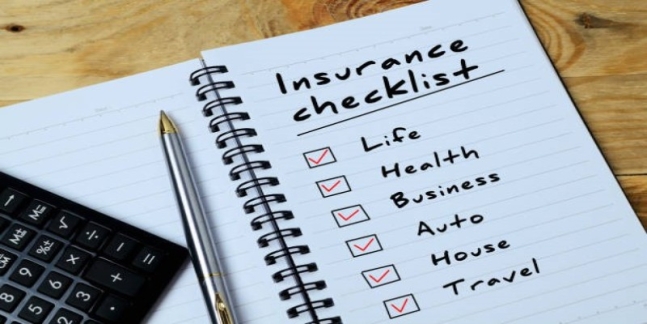
How To Begin: 5-Step Quick Checklist
Estimate 2025 Income – Subsidies rely on accuracy.
First, shop the Marketplace – competitive rates and assistance are available if you qualify.
Check private market plans (e.g., BCBS, Kaiser, Cigna) for gaps in coverage.
Join Associations or PEOs – Secure group rates and benefits.
Utilize Health Savings Tools – Tax deductions and HSAs can significantly reduce costs.
Planners have the Solution
Planning: Staying Covered & Compliant
Review each year; coverage, expense, and health requirements change from year to year
Save premium receipts; records vital for claiming deductions
Make the most of enrollment windows; Limited times after career or life
The Solution: Develop a personalized health plan that aligns with your profession and lifestyle.
Health Insurance Isn't Optional—It's Your Foundation
When you work for yourself, you get all the freedom, but also all the responsibility. Choosing the right health insurance as a freelancer or independent worker isn’t just a smart move; it’s a must. The right plan can protect both your health and your income.
Taking charge of your health coverage helps you stay focused on your work and your goals. Look into your options, ask a broker if you need help, and make choices that support your future and everything you’re building.
Sources:
Forbes Advisor, “Best Health Insurance For The Self-Employed Of 2025” – (Adoozle, Forbes)
Freelancers Union, “Ultimate 2025 Guide to Freelance Health Insurance” – (Freelancers Union)
Healthcare.gov, “Self-employed health coverage options” – (HealthCare.gov)
ValuePenguin, “Blue Cross Blue Shield best for self-employed” – (ValuePenguin)
FileLater, “Self-Employed Health Insurance Deductions Guide 2025” – (FileLater)